


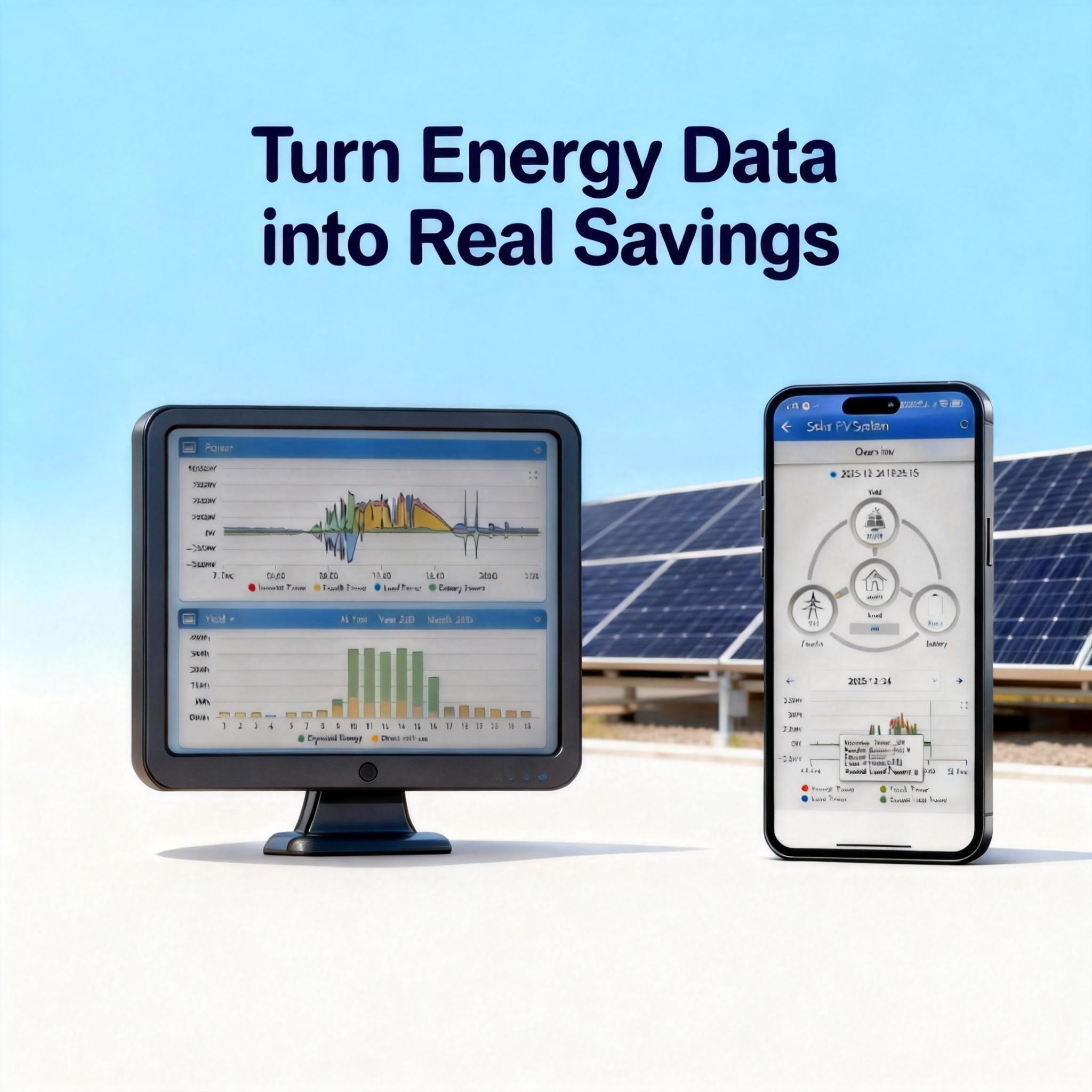
Many residential solar PV systems already provide inverter monitoring, but inverter data usually focuses on one thing: how much electricity the solar panels generate.
IAMMETER's goal is not only to show energy data. The real goal is to help solar users reduce electricity bills by understanding where the energy goes, improving self-consumption, and using more solar surplus inside the home.
When the electricity saved over time can cover the cost of the IAMMETER devices, the monitoring system becomes more than a dashboard. It becomes a practical way to improve the return on a home solar investment. The actual payback period depends on the local electricity price, feed-in tariff, load profile, and how much surplus solar energy can be used on site.
For most home solar users, that is not enough. The real questions are:
IAMMETER helps answer these questions by monitoring real energy flow on the grid side, inverter side, and load side. With a Wi-Fi energy meter and IAMMETER-Cloud, users can build a complete solar PV monitoring system that works with any inverter brand.
This page explains how IAMMETER monitors solar production, home consumption, grid import/export, self-consumption, and electricity savings in a residential solar PV system.
Most solar installations rely on inverter-based monitoring. This is useful for checking solar generation, but it does not show the full energy picture of the home.
For example, a solar inverter may report high generation during the day, but the household may still import electricity from the grid in the evening. Without grid import/export data and self-consumption data, users cannot clearly understand whether the solar system is reducing electricity bills effectively.
IAMMETER measures the electricity flow directly:
This allows users to evaluate solar performance from the energy bill perspective, not only from the inverter generation perspective.
With IAMMETER, a home solar user can monitor the key values that directly affect solar savings.
| Metric | What it tells you |
|---|---|
| Solar production | How much energy the solar inverter generates |
| Home consumption | How much energy the home uses |
| Grid import | How much electricity is still purchased from the grid |
| Grid export | How much surplus solar energy is exported to the grid |
| Self-consumption rate | How much solar energy is used directly inside the home |
| Feed-in energy | How much solar energy is sent back to the grid |
| Electricity cost and saving | How solar generation, grid import, and export affect the bill |
These values help answer the practical question behind home solar monitoring: whether the solar PV system is reducing electricity costs as expected.
IAMMETER addresses the limitations of inverter-only monitoring by measuring real energy flow on both the generation side and the grid side.
Rather than depending on one data source, IAMMETER captures the interaction between solar production, household consumption, and the grid. This provides a complete and accurate view of how electricity moves through the system:
This data-driven approach helps users maximize solar utilization and reduce electricity costs.
In many residential solar PV systems, one IAMMETER meter can monitor the key energy flows.
IAMMETER three-phase meters can be configured as three independent single-phase channels, allowing them to measure different circuits at the same time. In a typical home solar setup:
This design supports:
Detailed wiring examples are available here:
Only more complex installations, such as three-phase grids combined with three-phase inverters, may require additional meters.
IAMMETER provides several practical options for residential solar PV monitoring and solar surplus control.
| Device | Main role | Best fit |
|---|---|---|
| WEM3080 | Single-phase Wi-Fi energy meter | Basic single-phase monitoring, grid-side monitoring, or inverter-side monitoring |
| WEM2067 | Dual-channel Wi-Fi energy meter | Single-phase home solar with grid and inverter monitoring, or split-phase residential monitoring |
| WEM3050T | Three-phase Wi-Fi energy meter with flexible channel use | Cost-effective home solar monitoring for single-phase, split-phase, and three-phase scenarios |
| WPC3700 | Wi-Fi power controller for resistive loads | Dynamically control a boiler or heater using solar surplus |
For home solar users who mainly need cost-effective monitoring, WEM3080, WEM2067, and WEM3050T are practical options. WEM3050T is especially flexible because it can be used in single-phase, split-phase, and three-phase solar monitoring scenarios and includes IAMMETER-Cloud Basic service.
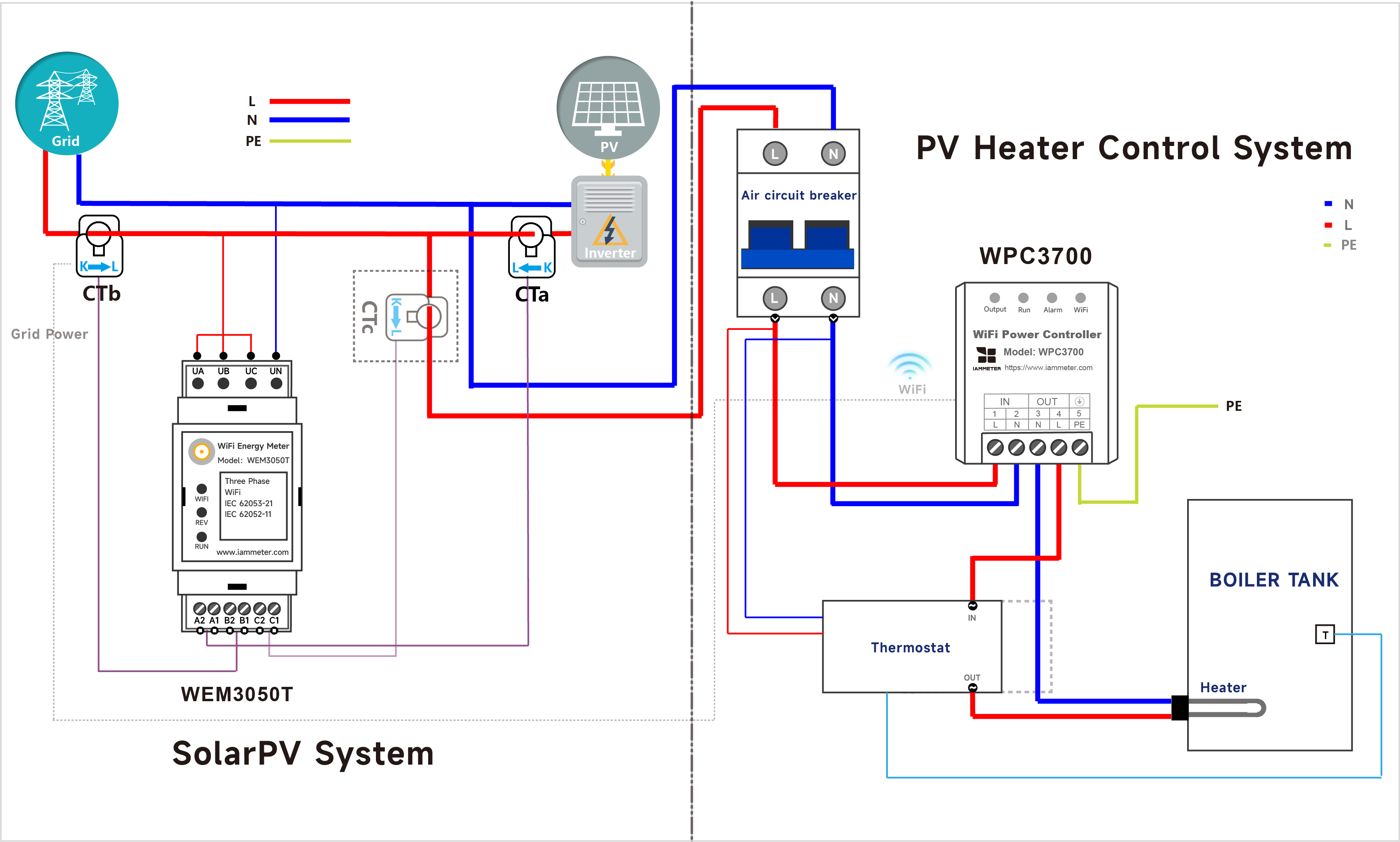
For users who want to go beyond monitoring and use more surplus solar energy on site, WPC3700 can work with IAMMETER meters to control resistive loads such as electric boilers.
Learn more:
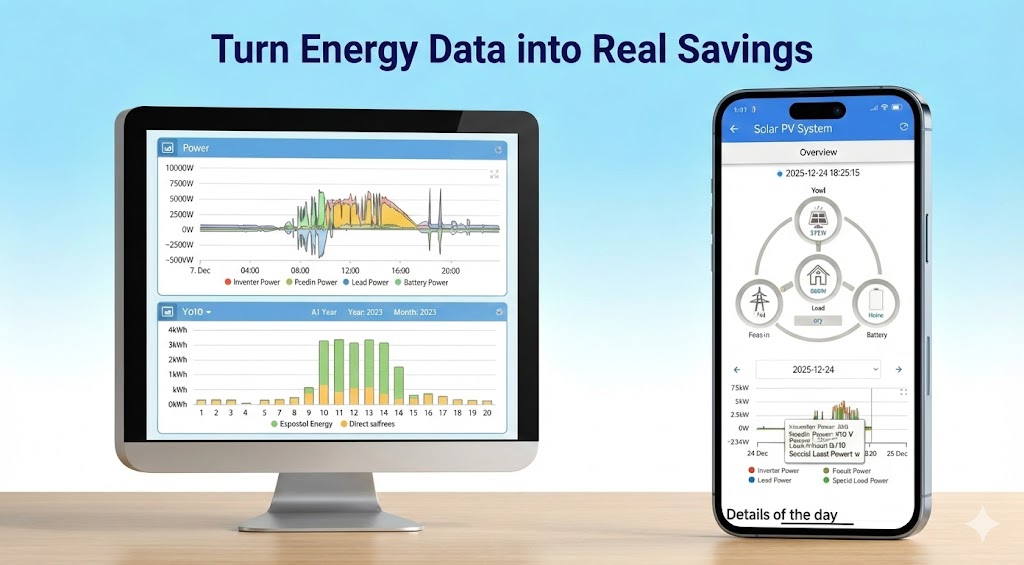
IAMMETER-Cloud is a hosted monitoring platform designed for users who want a plug-and-play solar monitoring experience without maintaining their own servers.
With IAMMETER-Cloud, users can:
IAMMETER-Cloud is especially suitable for residential users who want clear insights into their solar performance with minimal setup.
Learn more:
Solar monitoring creates real value when data is translated into action.
IAMMETER helps users identify:
With the WPC3700 Wi-Fi Power Controller, IAMMETER can dynamically adjust the power of a resistive load, such as an electric boiler or water heater, according to real-time solar surplus.
For example, if the grid power threshold is set to zero, the boiler can operate only when surplus solar power is available. The WPC3700 adjusts the boiler power in real time, helping the user reduce grid import, reduce export, and increase solar self-consumption.
Typical applications include:
Learn more:
For advanced users and system integrators, IAMMETER supports self-hosted and local monitoring architectures.
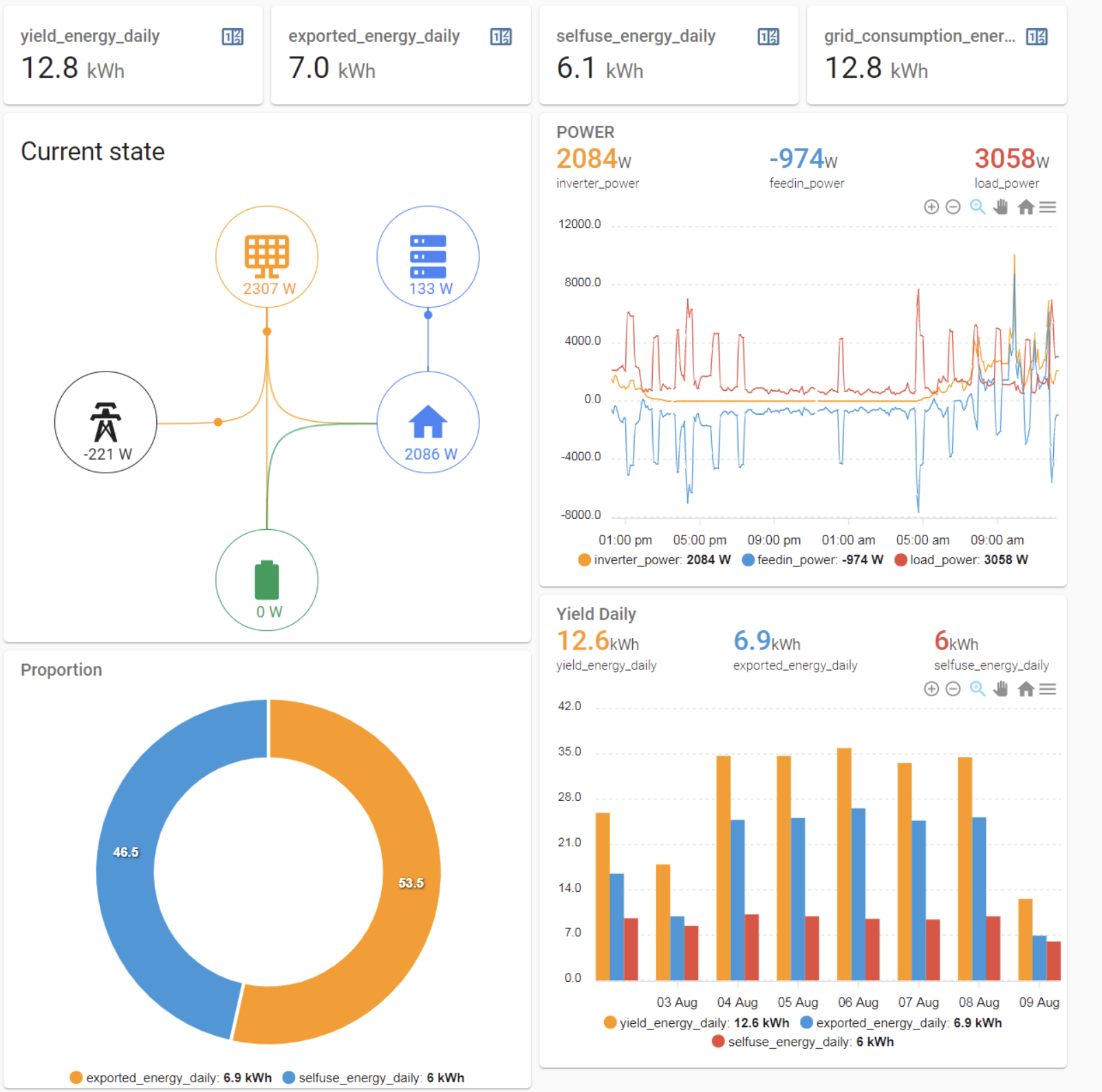
IAMMETER meters provide multiple local communication interfaces, including Local API, MQTT, and Modbus/TCP. This enables real-time data access and integration with:
In a self-hosted setup, users retain full ownership of their data and can build custom dashboards, automation rules, and energy management logic.
Learn more:
IAMMETER solar PV monitoring is suitable for:
IAMMETER is designed for users who need more than inverter generation data.
Key advantages:
With IAMMETER, users can start with simple solar monitoring and gradually move toward full energy optimization.
If you want to understand the complete solution package, product selection, and next steps, visit:
Related guides:
With IAMMETER, home solar users can monitor solar production, grid import/export, self-consumption, and electricity savings in one system.
Start with solar PV monitoring, then extend to solar surplus control when you want to use more solar energy directly inside the home.
If you have further questions or more advanced requirements, you can also visit the IAMMETER GPT Assistant:
https://chatgpt.com/g/g-68e9cc3b83408191901b66b524ba5373-iammeter-assistant
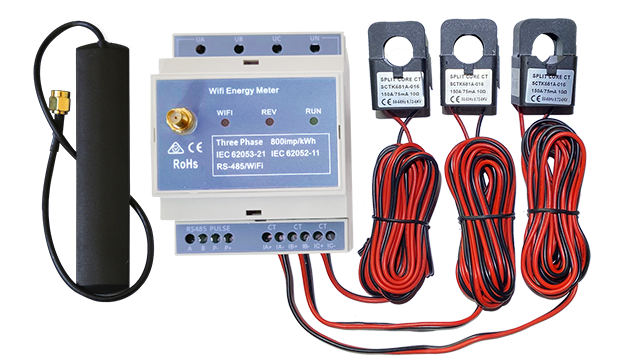
Three Phase Wi-Fi Energy Meter (WEM3080T)
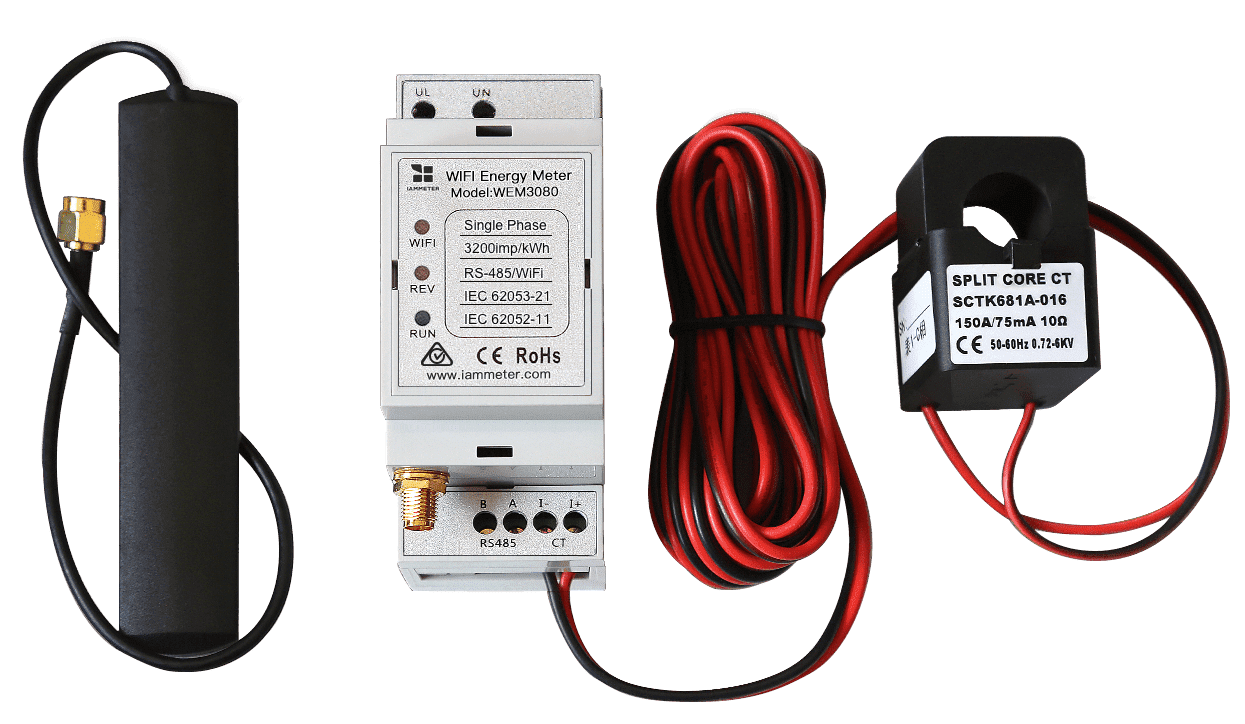
Single Phase Wi-Fi Energy Meter (WEM3080)
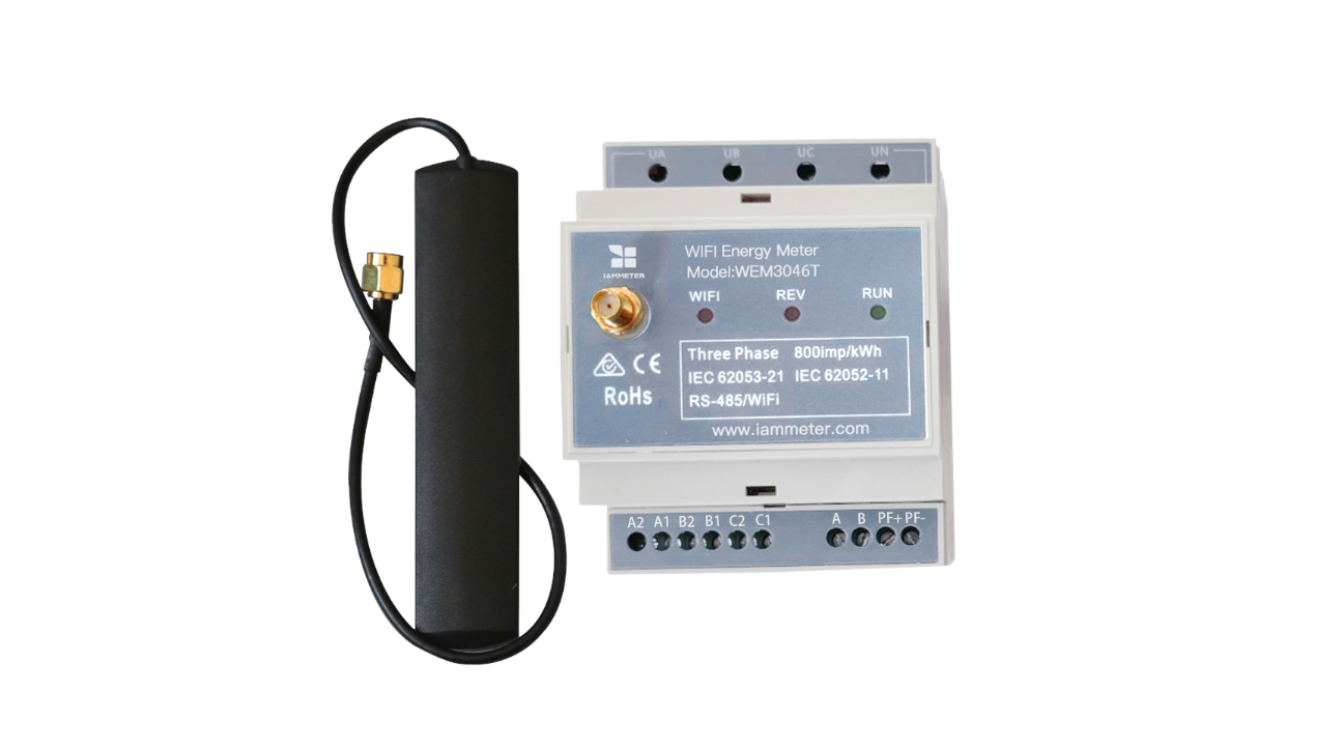
Three Phase Wi-Fi Energy Meter (WEM3046T)
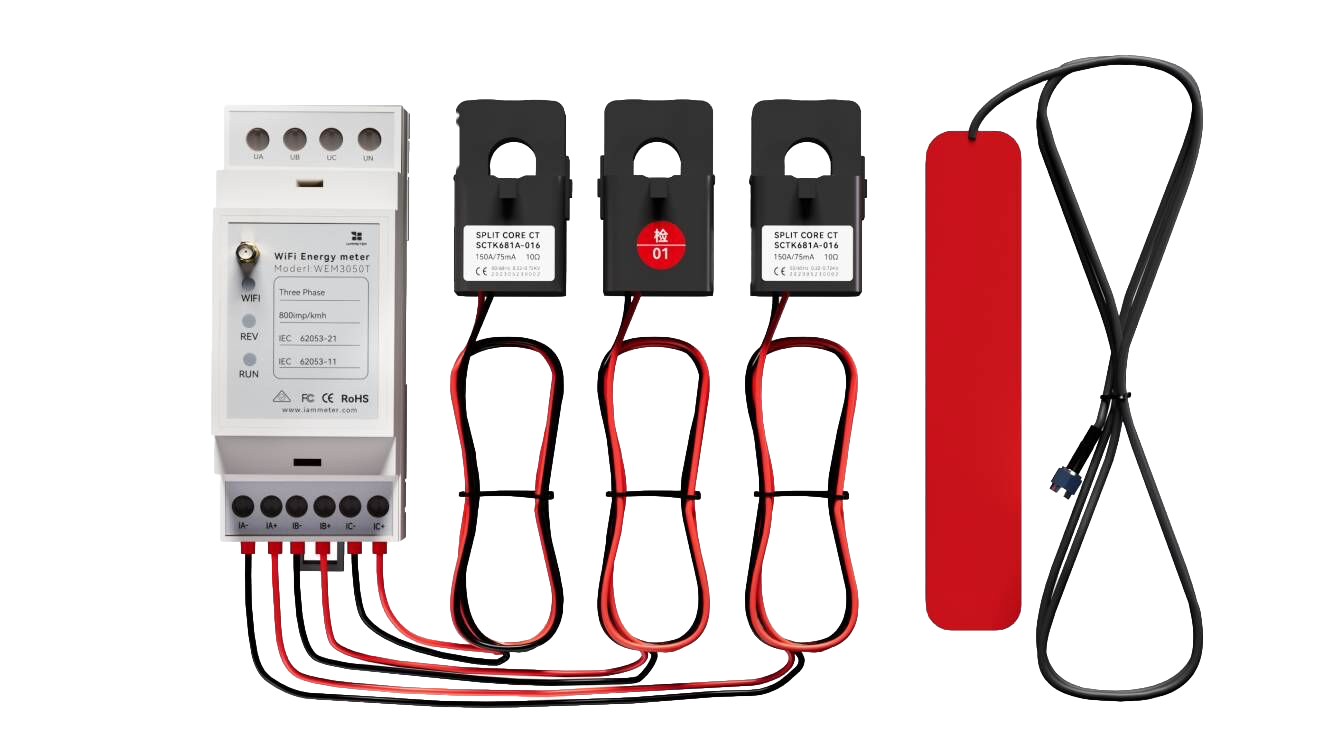
Three Phase Wi-Fi Energy Meter (WEM3050T)